Vintage Botanical Art Yellow Wildflowers: A Designer's Guide
Understanding the Visual Personality
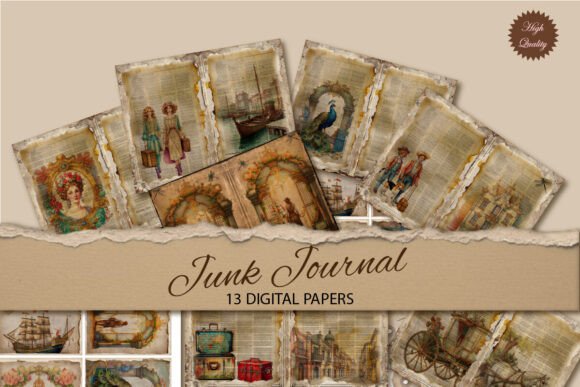
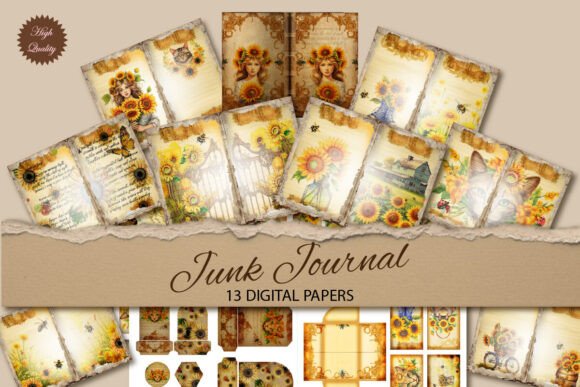
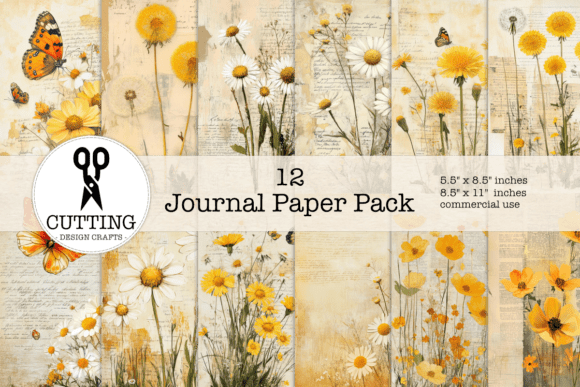
This collection of Vintage Botanical Art Yellow Wildflowers isn't just a set of images; it's a mood. Imagine holding a page from a 19th-century naturalist's journal—the kind you'd find in a dusty antique shop. The foundation is that aged parchment texture, complete with subtle foxing and a warmth that digital screens often struggle to replicate. Against this backdrop, the yellow wildflowers and white daisies aren't just bright; they're alive. The artistry captures the delicate translucency of petals and the fine, hair-like details of dandelion seed heads. It’s a blend of scientific precision and romantic nostalgia.
The personality here is one of quiet authenticity. It doesn't shout for attention. Instead, it invites the viewer in, much like a handwritten letter or a well-loved book. The inclusion of butterflies among the blooms adds a gentle sense of movement and life, preventing the compositions from feeling static. The overall effect is one of timeless elegance and organic warmth. For a brand or project, this translates to a message of care, tradition, and a deep appreciation for natural beauty. It feels handmade, personal, and trustworthy.
Where This Artwork Truly Shines
The applications for Vintage Botanical Art Yellow Wildflowers are surprisingly versatile, extending far beyond simple wall art. Its strength lies in its ability to add a layer of narrative and texture to any project.
- Brand Identity & Packaging: This is where the art can be transformative. For a boutique tea company, a local honey brand, a floral designer, or an artisanal soap maker, these illustrations become core brand assets. They can form the basis of a logo design, dictate a packaging design palette, and set the entire tone for a brand identity that feels rooted, genuine, and premium. The weathered paper texture works beautifully on labels and boxes, suggesting a product made with patience and quality.
- Editorial & Publishing: In editorial design, these images are gold. They can serve as chapter openers, section dividers, or background textures for magazine spreads and book interiors, especially in genres like memoir, historical fiction, gardening, or wellness. They provide visual breathing room and establish a sophisticated, curated aesthetic that elevates the written word.
- Digital & Social Media: For bloggers, content creators, and marketers, this design asset solves the constant need for unique, on-brand visuals. The images make compelling social media graphics, blog post headers, website banners, and even pattern designs for digital planners or desktop wallpapers. They break through the noise of sterile, generic stock photography by offering depth and character.
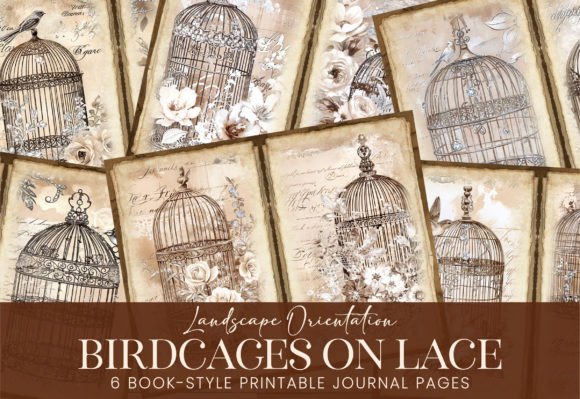
- Physical Crafts & Collage: This is a direct and joyful application. For junk journalers, scrapbookers, and collage artists, the included high-resolution files are a treasure. The two size options (8.5x11" and 5.5x8.5") are practical for trimming and layering. The pressed flower art style integrates seamlessly into handmade projects, adding instant vintage charm without the fragility of real dried flowers.
Making the Artwork Work for You
Simply having beautiful art isn't enough; using it effectively is what separates good design from great design. Here’s how to approach Vintage Botanical Art Yellow Wildflowers with a practical mindset.
Evaluate the Project Fit First. Does the project's core message align with the art's personality? If you're designing for a cutting-edge tech startup, this might create a disconnect. But if the goal is to evoke warmth, tradition, nature, or craftsmanship, it's a perfect match. Ask yourself: does this artwork support the story I'm trying to tell?
Think About Type Pairing and Hierarchy. The art has a strong, classic character. Pairing it with the right typography is crucial. A clean, modern sans serif font can create a beautiful contrast, making the vintage elements feel intentional and contemporary rather than dated. Alternatively, a elegant serif font can lean into the classic, literary feel. Avoid overly ornate script fonts or handwritten fonts that might compete with the intricate details of the illustrations. Let the art be the star, and use type to support it.
Leverage the Included Assets Strategically. Don't just use the full-page images. Zoom in on a cluster of daisies for a subtle background texture. Isolate a single butterfly for a small logo accent. Use the handwritten script elements as decorative borders. The 300 DPI JPEGs ensure that even when cropped, the detail remains sharp for both print design and high-resolution web design applications.
Consider the Commercial License. For entrepreneurs and small business owners, understanding the usage rights is non-negotiable. This collection is listed as a premium font asset (though it's illustrative art, the licensing principle applies). Ensure your intended use—whether for a client project, merchandise, or digital products sold online—is covered. This due diligence protects you professionally and respects the artist's work.
Ultimately, Vintage Botanical Art Yellow Wildflowers is more than decoration. It's a versatile tool for adding depth, emotion, and a human touch. Used thoughtfully, it can help build a more recognizable brand identity, create more engaging content, and add a layer of authentic beauty to any creative endeavor. It’s a reminder that in a world of sleek minimalism, there’s enduring power in the organic and the lovingly crafted.