Rustic Wooden Plank Backgrounds: Your Design Foundation
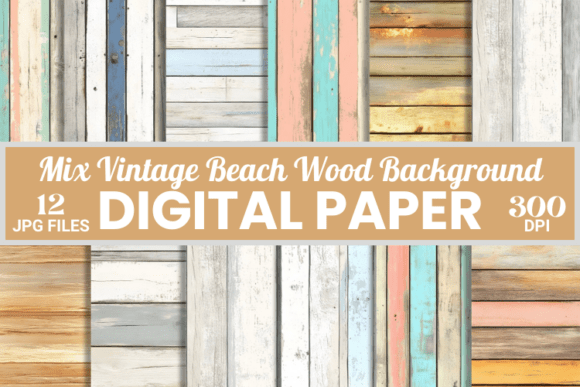
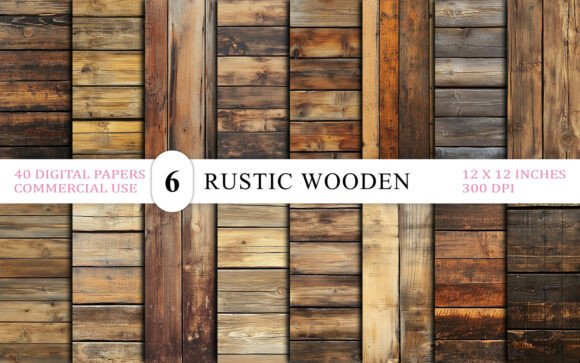
There’s a reason rustic aesthetics never go out of style. They evoke a sense of history, warmth, and authenticity that polished, modern surfaces often lack. A Rustic Wooden Plank Background isn’t just a texture; it’s a storytelling device. It speaks of farmhouse kitchens, weathered barns, and cozy cabins. This particular bundle offers 40 unique variations, each with rich, warm brown tones, authentic grain patterns, and subtle grunge textures that feel genuinely lived-in. The visual personality is earthy, organic, and full of character—perfect for designs that need to feel approachable and timeless rather than sterile and corporate.
Where This Background Truly Shines
The versatility of a high-quality wood texture is one of its greatest strengths. As a commercial font and design asset, this bundle is ready for both digital and print applications. Consider these practical uses:
- Branding & Identity: Use it as a foundational texture for logo design in the craft, artisan, food, or outdoor recreation sectors. It instantly communicates a handcrafted, organic brand identity.
- Editorial & Publishing: Ideal for editorial design in magazines, book covers, or album art that aims for a vintage or natural feel. It works wonderfully as a background for pull quotes or chapter headings.
- Packaging Design: A rustic wooden plank background can elevate product packaging for gourmet foods, candles, soaps, or woodworking kits, adding perceived value and shelf appeal.
- Digital & Social Media: In web design and social media graphics, it serves as a warm, engaging backdrop for announcements, testimonials, or product shots. It’s particularly effective for Canva projects, farmhouse signs, and cozy home decor blogs.
- Print & Craft: At 3600x3600 px and 300 DPI, these are print-ready files perfect for scrapbooking, greeting cards, invitations, and physical signage.
Making It Work: Practical Guidance for Designers
Integrating a texture like this requires thoughtful execution. First, consider your project’s overall tone. This Rustic Wooden Plank Background pairs exceptionally well with certain typographic choices. For headlines, a sturdy serif font or a clean sans serif font with good weight creates strong hierarchy. If you want to amplify the rustic vibe, a complementary script font or handwritten font can be used sparingly for accents. The key is font pairing—ensure your text remains highly legible against the detailed texture. You may need to add a subtle color overlay or place text within a solid shape to guarantee readability.
Evaluate the specific plank style for your project. Some textures in this bundle may be more distressed, others smoother. A heavily weathered panel texture suits a rugged, outdoor brand, while a cleaner grainy plank background might work better for a rustic-chic wedding invitation. Always test the background at the final output size, whether on a screen or in a print proof. The premium quality (300 DPI) ensures it won’t pixelate, but always check how the texture interacts with your other design assets.
Beyond the Surface: Impact on Perception
Using a rustic wooden plank background strategically influences how your audience perceives your content. It can boost visual hierarchy by providing a textured, non-distracting base that makes foreground elements pop. For brand perception, it fosters feelings of warmth, reliability, and tradition. This consistency in visual language across a website, social feed, or printed materials builds professionalism and recognition. In a digital landscape saturated with flat, minimalist designs, the right texture can create a memorable point of difference that enhances audience engagement.
When choosing from the 40 options, think about color harmony. The warm browns should complement your brand’s color palette, not clash with it. Use the included JPGs as a starting point. Experiment with opacity, blend modes, and color adjustments in your software to create a custom look that fits your exact vision. This bundle is a versatile toolkit; the real creativity comes from how you apply it to solve your specific design challenge and connect with your audience on a more human level.