Capture Rustic Charm with Farmhouse Animals Journal Pages
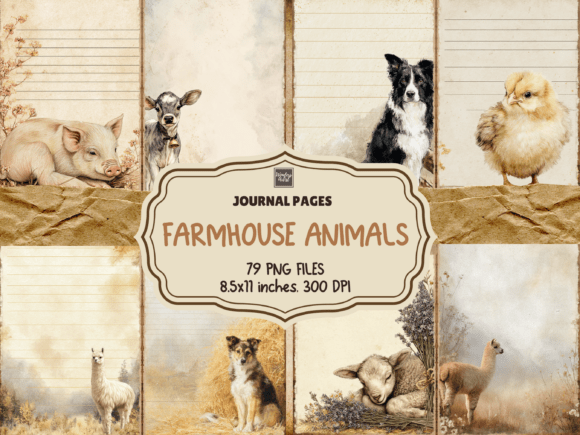
There’s a certain warmth that comes with the imagery of the countryside—the soft gaze of a cow over a fence, the bustling energy of chickens in a yard, the quiet strength of a horse in a field. Farmhouse Animals Journal Pages brings that exact feeling to your creative work. This collection isn’t just a set of backgrounds; it’s a carefully curated design asset that captures the peaceful, authentic rhythm of rural life. Each page is built around charming illustrations of barnyard animals, set against a backdrop of rustic elements like weathered wood, hay bales, and wildflowers. The visual personality is cozy, nostalgic, and wholesomely authentic, making it a powerful tool for designers and crafters aiming to evoke a specific, heartfelt mood.
The Visual Language: More Than Just Pretty Pictures
The true strength of the Farmhouse Animals Journal Pages lies in its intentional design language. The color palette is a masterclass in rustic sophistication—think warm neutrals, sage greens, faded barn reds, and the golden tones of wheat. This isn’t a loud or modern palette; it’s one that feels lived-in and genuine. The illustrations themselves have a handcrafted, slightly vintage quality, avoiding the overly polished look of generic clipart. This gives every page a sense of authenticity, as if it were torn from a real journal kept on a family farm. For a brand identity project focused on organic products, artisan goods, or country tourism, these pages provide an instant visual shorthand for quality, tradition, and care.
From a design perspective, the pages function beautifully as design assets for layered compositions. They offer a rich, textured base that can support other elements without competing for attention. The subtle patterns and details—like the grain of wood or the soft dapple of light—create visual interest while maintaining a calm, cohesive background. This makes them exceptionally useful for editorial design, such as magazine features on country living or recipe spreads, and for packaging design where the product inside is homemade, organic, or farm-fresh.
Practical Applications Across Creative Projects
The versatility of this collection is where its practical value shines. For scrapbooking and junk journaling, these pages are a perfect foundation. They allow you to build themed spreads that tell a story, whether you’re documenting a farm visit, creating a memory book for a child, or designing a rustic wedding album. The pages work beautifully as backgrounds for photos, journaling blocks, and layered ephemera. Imagine a page with a subtle hay bale pattern serving as the base for a vintage seed packet tag and a handwritten recipe card—that’s the kind of cohesive, story-driven design this collection enables.
For digital creators and small business owners, the applications extend far beyond paper crafts. Use them as backgrounds for social media graphics promoting a farm-to-table restaurant, a local farmers' market, or an eco-friendly product line. The inherent warmth and trustworthiness of the farmhouse aesthetic can significantly boost engagement for brands in these niches. In web design, a textured background from this collection can add depth and character to a website’s hero section or blog post header, creating an immersive experience that a flat, solid color cannot match.
Choosing and Implementing Your Pages
When integrating Farmhouse Animals Journal Pages into your work, consider the overall hierarchy of your design. Because these pages have inherent texture and detail, they work best as a background layer. Pair them with cleaner, simpler typography to ensure readability. A classic serif font for body text or a clean sans serif font for headlines can balance the rustic detail of the background. For a more authentic, hand-lettered feel, a subtle script font or handwritten font can be used for accent text, like a recipe title or a quote.
Think about your project’s core goal. Are you creating a personal memory book? Lean into the layered, tactile approach—print the pages, add physical ephemera, and hand-write your entries. Are you designing a logo or brand collateral for a client? Use a single, subtly patterned page as a background texture within a defined shape, like a circle or banner, to add character without overwhelming the primary typography and logo design. Always test print a sample if your project is physical, as the soft, muted tones are designed to print with a gentle, vintage feel that looks best on matte or textured paper stock.
Building a Cohesive Brand Narrative
For entrepreneurs and marketers, consistent use of a visual theme like the one offered by Farmhouse Animals Journal Pages can do wonders for brand recognition. This collection provides a ready-made visual system that communicates specific values: simplicity, honesty, craftsmanship, and a connection to nature. By using these pages across your marketing materials—from website banners and email headers to product hang tags and social media posts—you create a unified look that tells a cohesive story. It transforms your brand from a mere seller of goods into a curator of a lifestyle and an experience.
The key is to use the assets with intention. Don’t feel compelled to use every busy page in every application. Sometimes, a simple border of a wooden fence pattern or a small cluster of illustrated wildflowers is enough to inject the desired charm. This selective approach ensures your designs remain professional and clean while still radiating that unmistakable countryside character. The goal is to evoke a feeling, not to overwhelm the viewer with theme.
Ultimately, the Farmhouse Animals Journal Pages collection is more than a set of printable papers; it’s a toolkit for storytelling. It provides the visual vocabulary to craft narratives about heritage, simplicity, and the quiet beauty of everyday rural life. Whether you’re a crafter preserving memories, a designer building a brand, or a publisher illustrating a story, these pages offer a foundation of warmth and authenticity that is difficult to replicate with more generic, modern design assets. They invite you to slow down, appreciate the details, and create something that feels genuinely connected to a timeless, wholesome aesthetic.